Debates

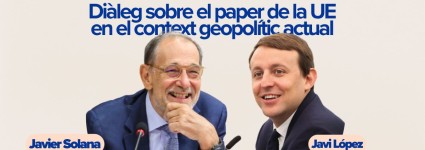
Dialogue on the occasion of the publication “Catalonia: Engine of a New Europe”

'The more democratic, plural, and social a society is, the easier it is to make complex economic decisions'


Barcelona, September 18, 2025.
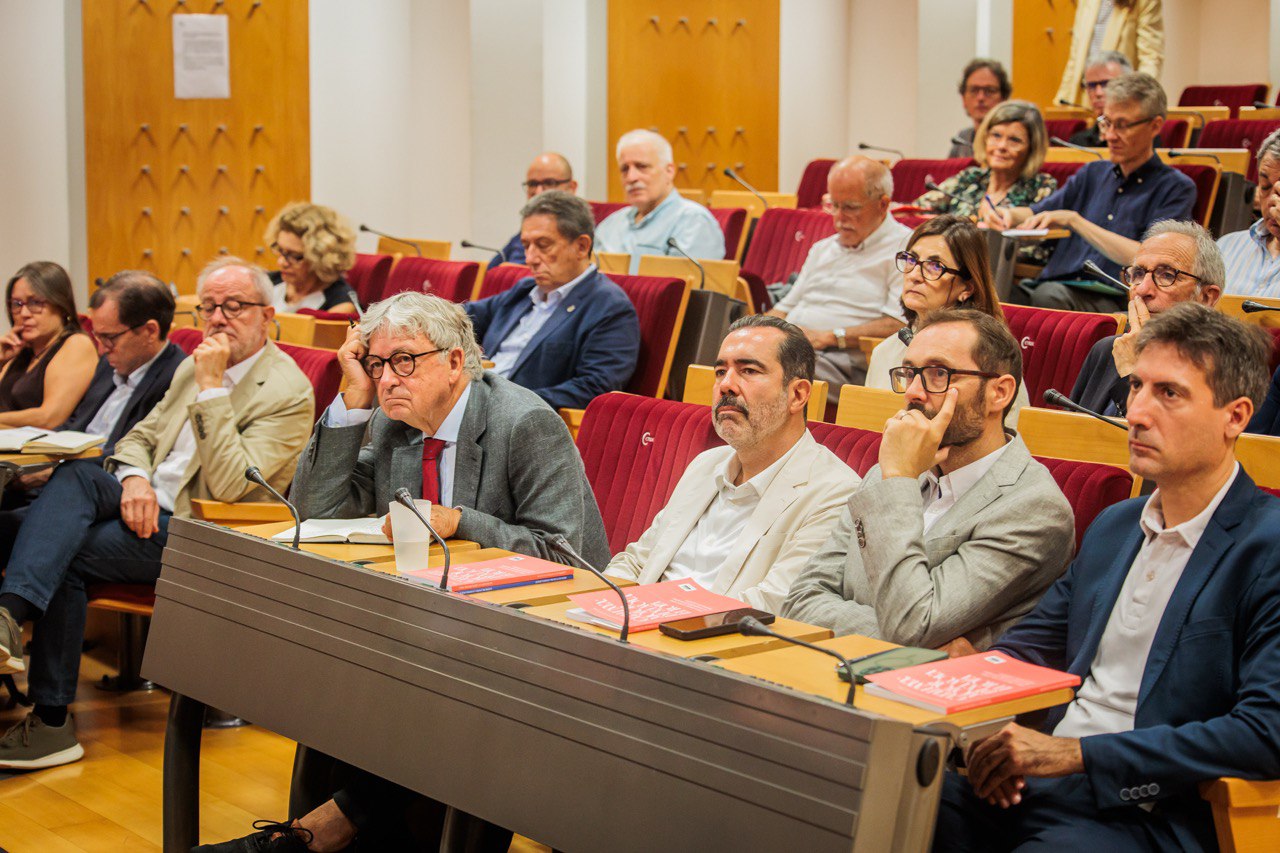
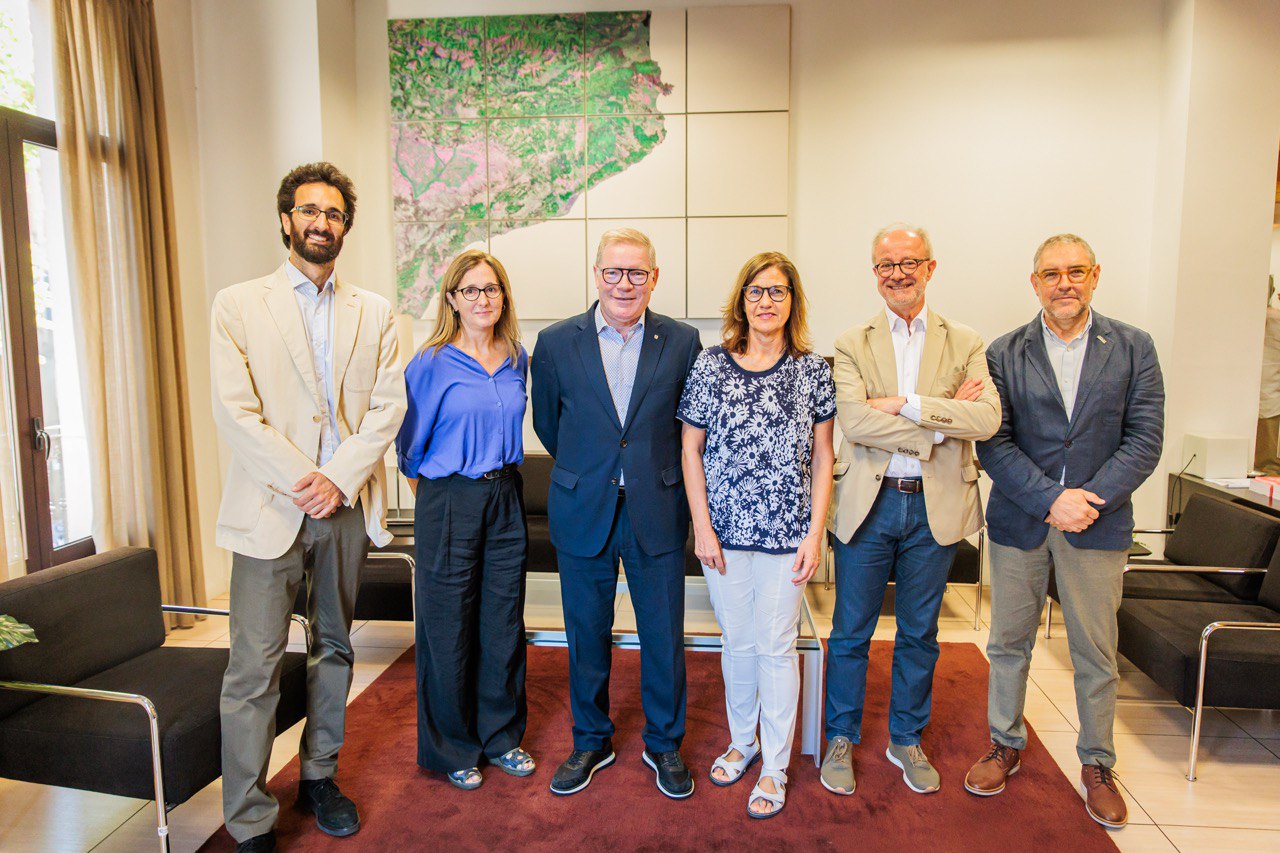
The Catalunya Europa Foundation presented this morning at the Council of Work, Economic and Social Affairs of Catalonia (CTESC) the report Catalonia: Engine of a New Europe, which analyzes how the region can position itself within the new framework of European competitiveness outlined by the Draghi and Letta reports.

At the opening of the event, CTESC president Ciriaco Hidalgo highlighted:

“Catalonia must be a frontrunner in applying the recommendations outlined in the Catalunya Europa Foundation report, which should improve competitiveness and productivity, as well as ensure a fairer distribution of the wealth we generate.”

Journalist Ariadna Trillas, author of the publication, summarized the contributions of more than 40 representatives from the economic, social, political, and educational sectors into seven key ideas: the consensus around the Draghi and Letta reports; Catalonia’s potential in innovation and research; the need for realistic environmental policies; the defense of the welfare state; the visibility of undervalued sectors such as agriculture; the lack of representation of SMEs; and the urgency of deeper European integration.


Catalonia’s role and Europe’s challenges

Trillas also moderated a debate with Juli Fernández, Secretary-General of Economy and Finance of the Generalitat; Joan Tristany, Director-General of AMEC; Víctor Burguete, senior researcher at CIDOB; and Dolors Camats, director of the Catalunya Europa Foundation.

Fernández emphasized the need to strengthen cooperation among member states, link sustainability with economic growth, and put municipalities at the center of decision-making:

“The risk is creating macrostructures that are distant from citizens.”

Tristany warned that:

“The current geopolitical storm has revealed a lack of leadership in implementing European plans,”

while Burguete noted:

“Trump is dividing us, because half of Europe is Trumpist.”

Camats highlighted the internal obstacles: political polarization, the rise of authoritarianism, and the inability to make long-term decisions. She urged:

“to embrace new instruments, rely on citizens as agents of change, and fully commit to democracy,”
because:
“the more democratic, plural, and social a society and its institutions are, the easier it is to make the economic decisions on the table.”


Tags